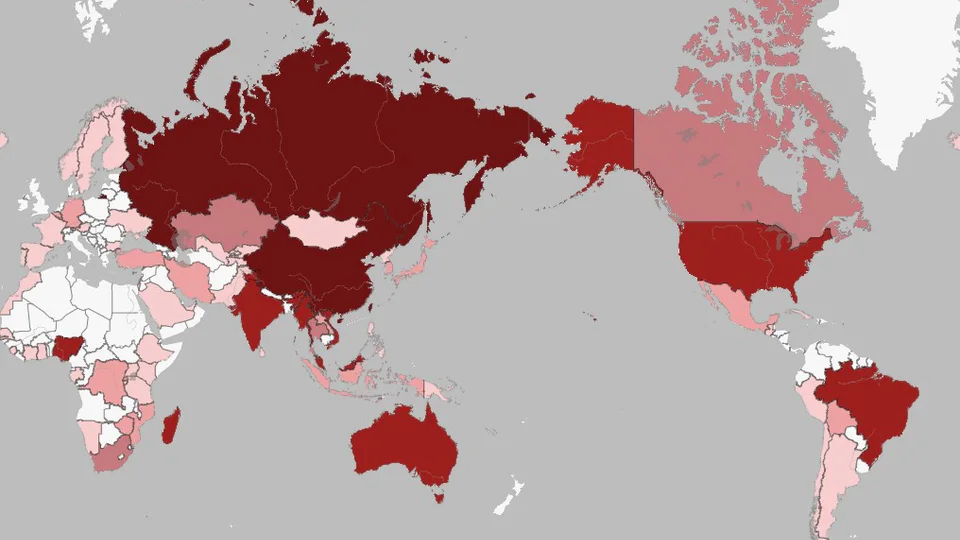
Gold vs. Silver in 2026: Different Markets, Different Risks
Image: Scottsdale Mint / Unsplash
Gold and silver are often grouped together, but their markets are not smaller and larger versions of the same trade. Gold demand includes jewelry, bars and coins, financial products, and official-sector holdings. Silver combines investment and jewelry demand with substantial industrial use, and much of its mine supply is produced alongside other metals.
This comparison is educational. It does not say which metal belongs in any person’s portfolio or recommend an allocation.
Source check: 27 July 2026. Live prices are deliberately omitted because benchmark observations change.
Compare markets before narratives
| Dimension | Gold | Silver |
|---|---|---|
| Common demand channels | Jewelry, investment products, bars and coins, official-sector holdings, technology | Industrial applications, jewelry and silverware, bars and coins, investment products |
| Mine-supply feature | Produced mainly for its own metal value, with recycling also important | Often produced as a co-product or by-product of lead-zinc, copper, or gold mining |
| Retail physical form | Coins and bars with product-specific premiums | Coins and bars; small-unit premiums and storage volume can be material |
| Exchange-traded exposure | Product may be a metal trust, futures fund, note, or other security | The same structural distinctions apply |
| Mining equity | Company risk in addition to gold-price exposure | Many “silver miners” receive meaningful revenue from other metals |
The USGS Mineral Commodity Summaries 2026 provide separate gold and silver chapters covering uses, mine production, recycling, trade, and reserves. Use those definitions before repeating claims about a shortage or demand share.
Volatility is an observation, not an identity
Silver is commonly described as more volatile. That can be tested, but it should not be asserted without a series, currency, frequency, and time window. Calculate matched daily or monthly returns from named benchmarks, then report annualized volatility, maximum drawdown, and the dates studied.
Do not infer that greater historical volatility means greater future return. It means the observed price varied more over the selected window.
Industrial demand changes the questions
For silver, examine end-use demand, substitution, thrifting, recycling, fabrication inventories, and the economics of host-metal mines. Strong demand in one application can be offset by redesign, weaker demand elsewhere, or additional recovery.
For gold, distinguish official-sector holdings, jewelry, bar-and-coin demand, exchange-traded-product flows, mine supply, and recycling. Reported central-bank activity may arrive with lags and does not identify every transaction date or price.
Compare the actual instrument
An ounce of bullion, a metal-backed trust share, a futures-based fund, and a mining share have different rights and cost structures. Before comparing expected outcomes, record:
- legal instrument and custody;
- benchmark and tracking method;
- fees, spreads, premiums, and redemption terms;
- liquidity and trading hours;
- tax treatment in the holder’s jurisdiction;
- company-specific risks for equities.
The CFTC and FINRA physical-metals advisory notes that dealers sell above spot and buy below it, while storage, insurance, and other fees can add cost. The SEC’s ETF bulletin explains that exchange prices can differ from net asset value and that commodity-linked products require product-specific review.
A neutral decision worksheet
Instead of asking which metal “wins,” define the research objective and constraints:
- Is the object physical possession, benchmark tracking, or ownership of an operating company?
- What is the all-in round-trip cost?
- How much price variability occurred in a disclosed historical window?
- What evidence would invalidate the demand or supply thesis?
- What loss could result from product structure, leverage, custody, or dilution?
The answers can support a comparison. They cannot determine suitability for a specific person without that person’s circumstances and qualified advice.
Primary and authoritative sources
- USGS: Mineral Commodity Summaries 2026
- LBMA: precious-metals benchmark information
- CFTC and FINRA: physical-metals questions
- SEC: ETF investor bulletin
goldsilverprecious metalsmarket comparisonindustrial demand