A Critical-Minerals Map Is Not a Mine
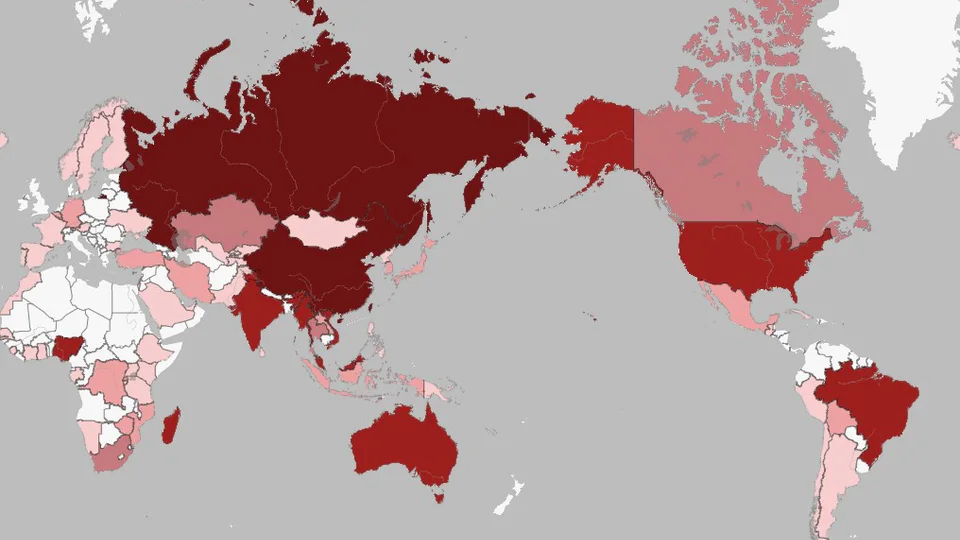
Image: U.S. Geological Survey
Critical-minerals maps are catnip for investors. A colored dot sits inside a friendly jurisdiction. The commodity appears on a government list. A nearby road is drawn in. The presentation practically builds the mine for you.
Reality has seven gates, and the map clears only the first.
Gate 1: Is the land position real?
Start with tenure, not tonnage. Who owns or controls the claims? When do they expire? Are there royalties, earn-ins, surface-rights conflicts, indigenous-rights processes, or competing uses? A large exploration footprint can contain very little land that is actually available for a mine and its waste, water, roads, and power.
Gate 2: Is the geology measured well enough?
An occurrence, exploration target, inferred resource, indicated resource, and reserve are not synonyms. Confidence rises as drilling and technical work improve, but so do time and cost. Under the SEC’s mining-disclosure framework, technical report summaries identify qualified persons, assumptions, risks, and the work supporting resource or reserve statements.
The headline number should lead you into the report, not replace it.
Gate 3: Can the material become a product?
Grade attracts attention; recovery pays bills. Metallurgical tests need to show what can be recovered, into which product, with which impurities, reagent use, energy demand, and tailings consequences. A strategic mineral trapped in a hostile mineralogy can remain strategically underground.
Gate 4: Can infrastructure carry the project?
Power lines on a regional map may not have spare capacity. Roads may not support heavy haulage. Water may be seasonal or contested. A mine, concentrator, refinery, and export route are different infrastructure problems.
Gate 5: Can it be permitted and accepted?
“Mining-friendly” is not a permit. Look for the actual review stage, required studies, consultations, appeals, closure obligations, and the company’s record of meeting milestones. Social permission is not a box that a consultant checks once.
Gate 6: Who funds construction?
Early studies can be tiny compared with construction capital. Model financing at a lower commodity price and a higher capital cost. Then model dilution. A project can be valuable while existing shareholders capture much less of that value than the promotional chart implies.
Gate 7: What can slip?
Every schedule should identify the critical path. Technical filings regularly list risks such as permitting delays, geological uncertainty, water management, capital-cost increases, and design changes. Those are not boilerplate decorations; they are the project’s failure menu.
Use the government list correctly
The USGS 2026 Mineral Commodity Summaries covers more than 90 minerals and materials and discusses trends, trade, production, reserves, and the final 2025 critical-minerals list. It is excellent for establishing why a commodity matters at system level.
It cannot tell you whether one company’s dot becomes a mine. For that, connect the system data to the company’s current technical reports, regulator filings, permits, contracts, and balance sheet.
Sources and limits
The SEC filing is an example of the disclosure structure, not an endorsement of that issuer or project. This article is educational and is not investment advice.
Key takeaway
A critical-minerals map establishes relevance. A mine requires evidence across tenure, geology, metallurgy, infrastructure, permission, capital, and schedule. Count the cleared gates, not the colored dots.
critical mineralsmining projectsproject financetechnical reports