Copper Is Now ‘Critical.’ What That Label Actually Changes

Image: MGNUM
Copper crossed a political threshold when it appeared on the United States’ final 2025 critical-minerals list. Predictably, the market turned a classification into a slogan: copper is critical, therefore every copper story is investable.
The first half is official. The second is marketing.
What “critical” means
The U.S. Geological Survey’s framework looks at economic importance and the potential effects of supply-chain disruption. The 2026 Mineral Commodity Summaries lists copper among the critical minerals and identifies cables and wiring as a major application.
That designation can influence government attention, data collection, permitting debates, procurement priorities, research, and possible policy support. It tells readers that copper matters to the economy and that a disruption could matter too.
It does not mean:
- every known resource can be mined economically;
- every domestic project will be permitted;
- a company has adequate financing;
- a stated resource is a reserve;
- demand will outrun supply at every price.
The project still has to work
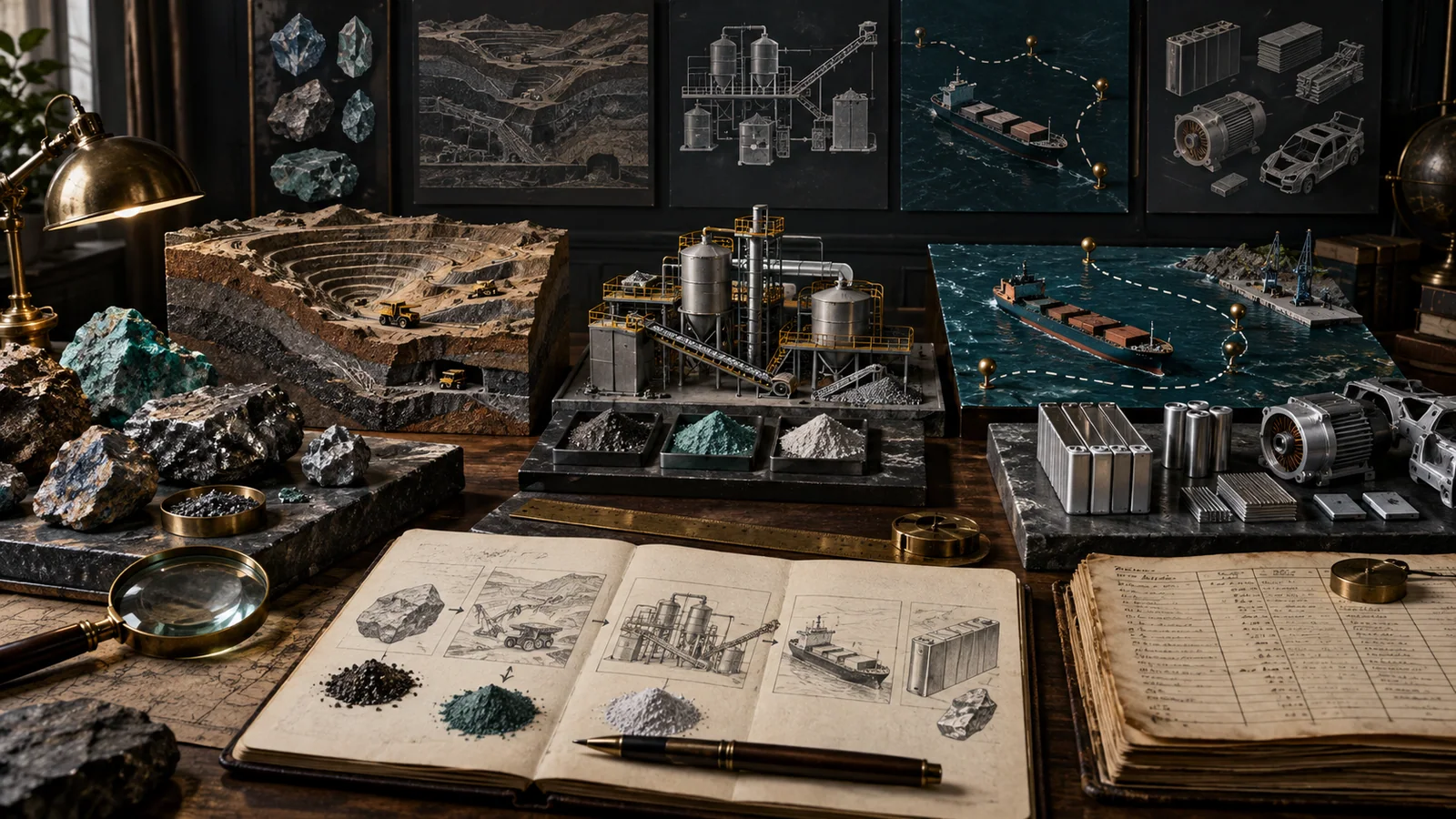
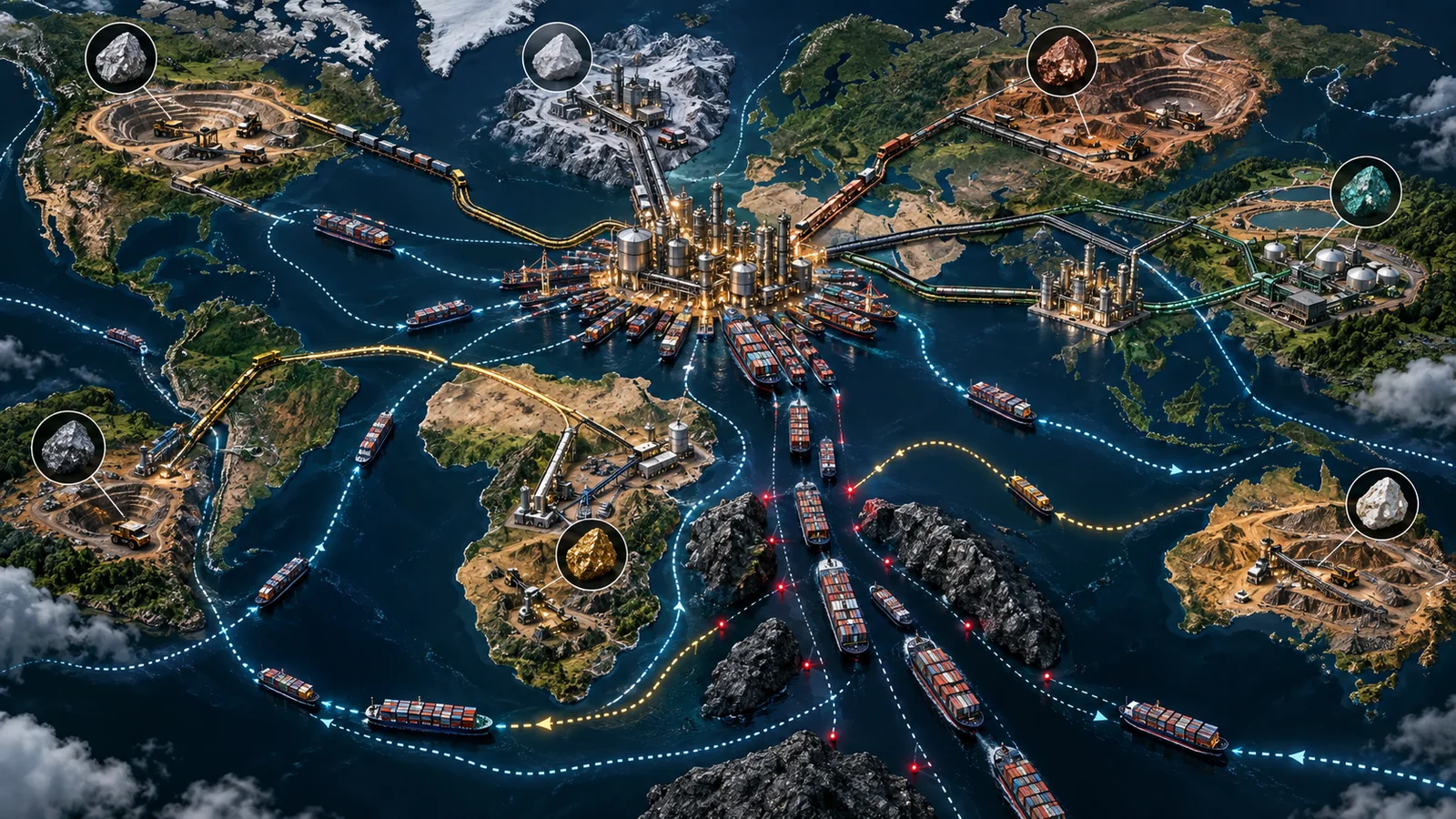
A copper project remains a chain of conversion problems. Geology must become a reliable resource model. Metallurgy must recover saleable copper. Infrastructure must move power, water, people, and concentrate. Permits and community agreements must hold. Capital must arrive before cost inflation or dilution consumes the thesis.
Investors often jump from “the world needs copper” to “this company owns copper” without testing the middle. The middle is where projects fail.
Use a five-gate screen:
| Gate | Evidence to seek |
|---|---|
| Geology | Current technical report, drilling density, grade distribution |
| Metallurgy | Recovery tests, impurities, concentrate terms |
| Infrastructure | Power, water, roads, port or smelter access |
| Permission | Land status, environmental review, community process |
| Finance | Capex estimate, funding plan, dilution and schedule sensitivity |
The real spicy question
Critical-mineral policy can make a marginal project more interesting. It cannot make geology disappear. The sharpest question is not, “Is copper critical?” It is, “Which bottleneck does this designation actually remove for this specific project?”
If the answer is a grant, loan eligibility, faster study, customer agreement, or infrastructure commitment, quantify it. If the answer is only a new slide in the investor deck, treat it as narrative.
A better copper thesis
A defensible thesis connects three levels:
- System: Why copper supply disruption matters.
- Market: Which products, regions, and time horizons face constraint.
- Asset: Why this project can turn ore into payable product at an acceptable cost.
The USGS report is strongest at level one and useful at level two. Company technical filings, contracts, and permitting records are required for level three.
Sources and limits
USGS data provides a broad national and global reference. It does not evaluate a particular security or forecast a guaranteed price. This article is educational and is not investment advice.
Key takeaway
Copper’s critical status is real policy evidence, not a blank cheque. Reward projects that can show exactly how policy support changes their financing, schedule, infrastructure, or customer path—and discount those that offer only the word.
coppercritical mineralsUSGSsupply chain