Critical Minerals in 2026: Read the Supply Chain, Not Just the Headline
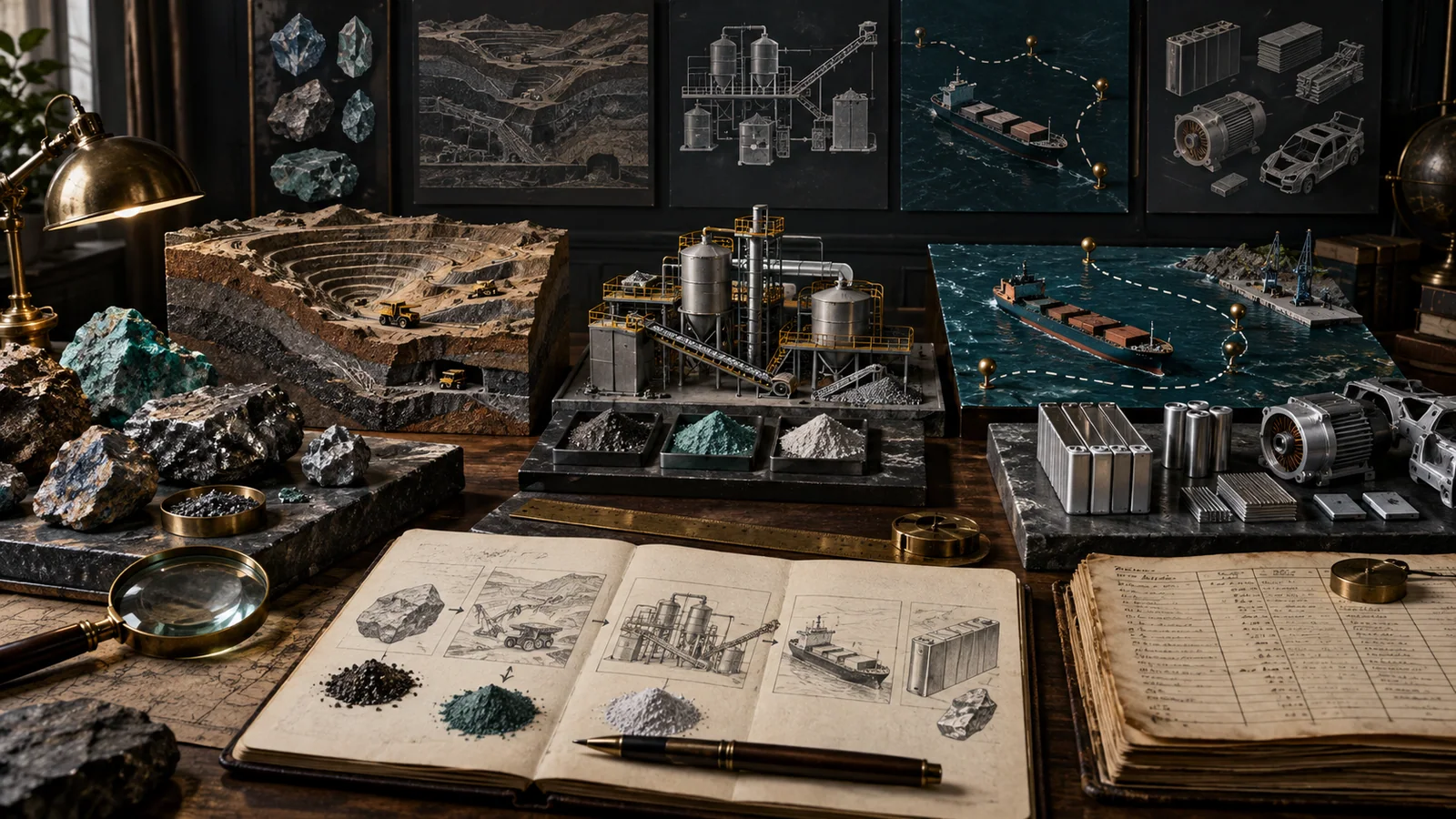
Image: MGNUM
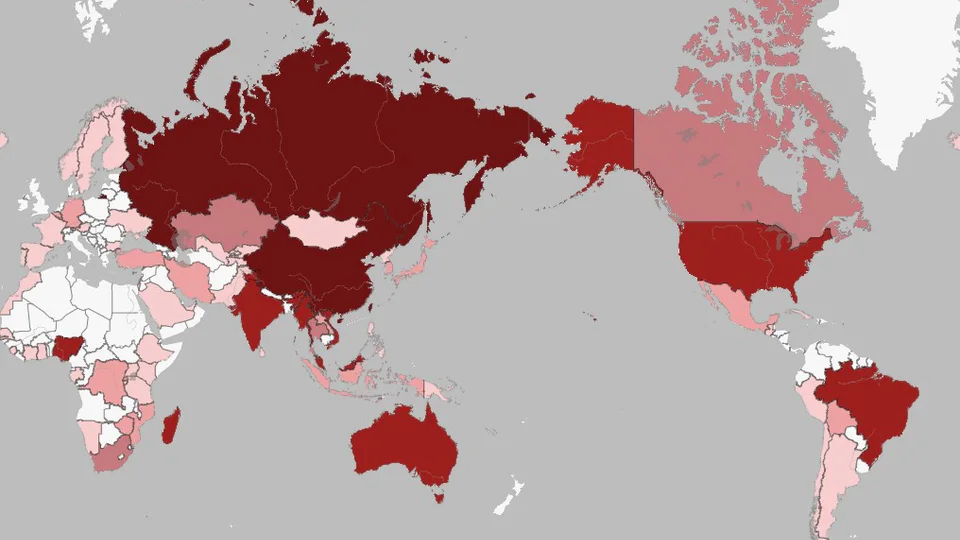
The IEA’s Global Critical Minerals Outlook 2026 says demand for key energy minerals continued to grow strongly in 2025 and that supply-chain concentration and export restrictions remain central risks. That is a reason to examine the chain, not a reason to treat every mining equity as interchangeable.
Ask where the bottleneck sits
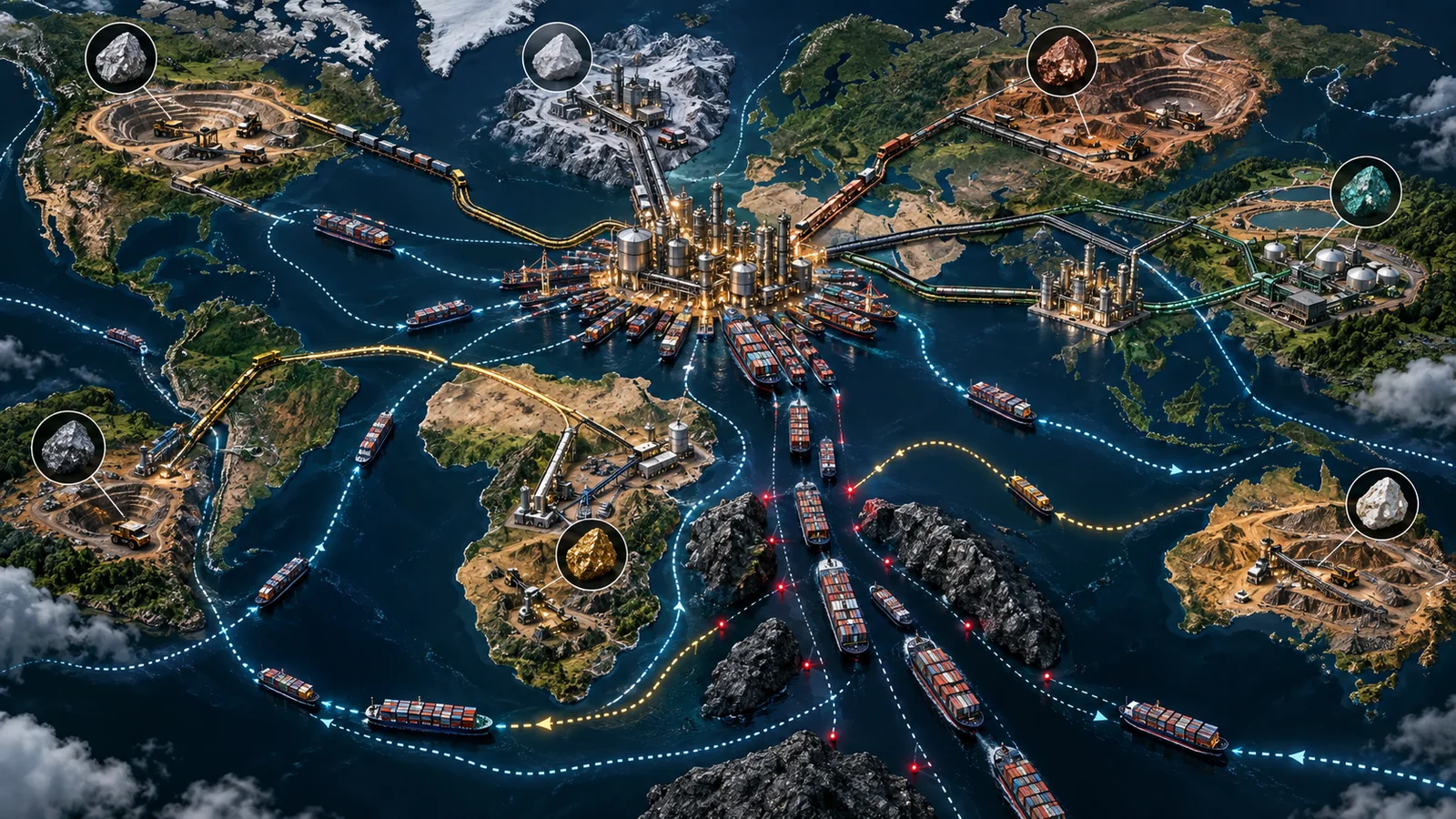
Separate exploration, mine production, concentrate, refining, conversion, component manufacturing, and end demand. A project can own a large resource and still lack permits, power, transport, processing, financing, or customers. Downstream capacity can be the binding constraint even when ore exists in the ground.
Match the claim to the instrument
An operating producer, developer, explorer, royalty company, fund, and physical holding each exposes an investor to different risks. Reconcile the thesis to filings, technical reports, ownership, capital needs, jurisdiction, and the company’s realized prices. Do not replace those checks with a commodity chart.
Keep scenarios conditional
The IEA’s projections are scenario-dependent. Demand can rise while a particular company’s margin falls because of grades, costs, dilution, delays, or a weaker realized price. Use the outlook to choose questions for primary documents, not to promise a return.
Primary source
critical mineralscopperminingsupply chainsinvesting