Uranium in 2026: Demand, Fuel-Cycle Constraints, and Risk
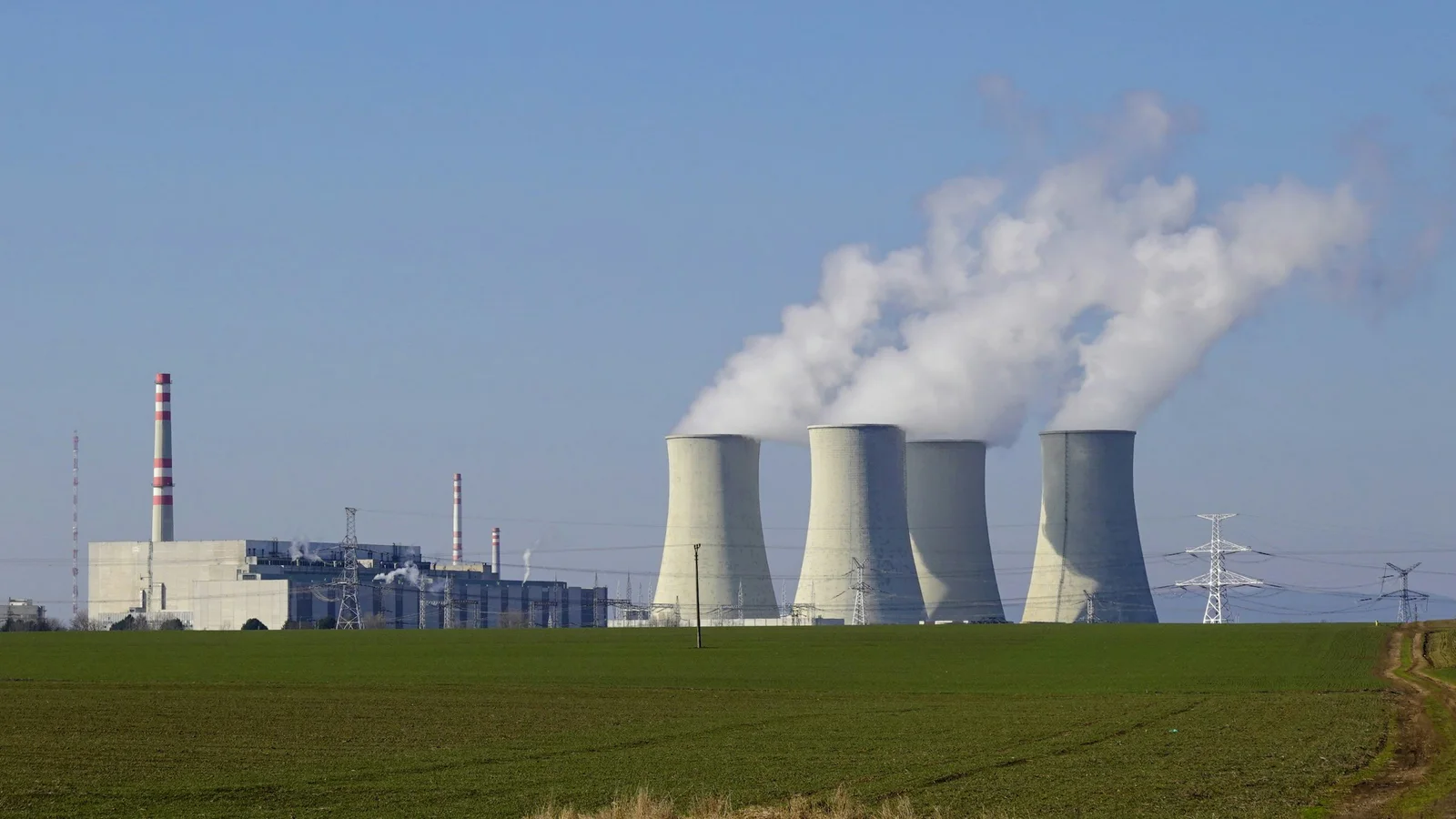
Image: Energie-portal.sk / Unsplash
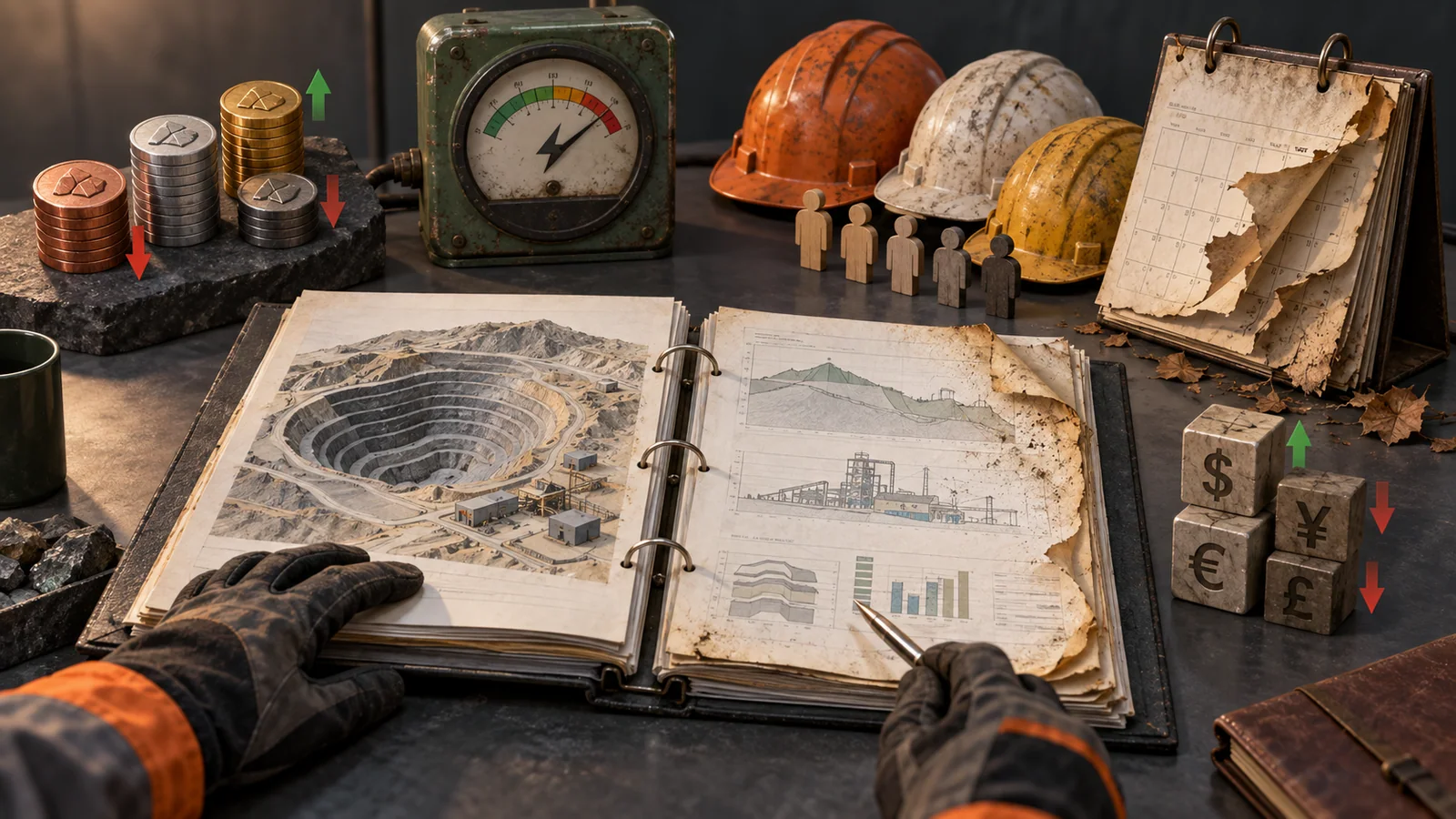
The uranium market is often reduced to “more reactors need more uranium.” That direction may be relevant, but it skips the fuel cycle, contracting, inventories, and long project timelines that determine when demand reaches a miner or fuel supplier.
This is an educational market map, not a recommendation or return forecast.
Source check: 27 July 2026.
The fuel cycle matters
Natural uranium ore is mined and processed into concentrate, commonly expressed as U3O8 equivalent. It then moves through conversion, enrichment, and fuel fabrication before use in a reactor. Each stage has different facilities, contracts, capacities, lead times, and geopolitical exposures.
The IEA’s Global Critical Minerals Outlook 2026 says uranium markets have strengthened sharply since 2020 amid expectations for nuclear-fuel demand and new supply. It also identifies more immediate constraints downstream, particularly conversion, and says the top three countries account for almost three-quarters of uranium mining and around 70% of conversion and enrichment capacity.
Those are IEA estimates for defined stages of a global supply chain. They do not imply the same price direction for every uranium instrument or listed producer.
Spot quotes are not the whole market
Utilities commonly secure uranium through contracts with delivery schedules and pricing formulas. A reported spot assessment, a weighted average of delivered utility purchases, and a mining company’s realized price answer different questions.
The latest U.S. EIA Uranium Marketing Annual Report available at this source check covers 2024 deliveries. It reports that U.S. civilian reactor owners and operators purchased 55.9 million pounds U3O8 equivalent in 2024 at a weighted-average price of $52.71 per pound, while 9% of deliveries were purchased under spot contracts. Because the data are U.S.-specific, lagged, and based on delivered purchases, they should not be presented as a current global spot price.
How to assess supply
For an operating mine, check actual production, grade, recovery, costs, jurisdiction, sales contracts, and sustaining capital. For a proposed mine, add:
- resource and reserve confidence under the relevant reporting code;
- permitting and community agreements;
- metallurgy and processing route;
- construction capital and financing;
- contracted customer specifications;
- development and commissioning schedule.
An announced resource is not production. A planned start date is not an observed delivery.
The OECD Nuclear Energy Agency and IAEA’s Uranium 2024: Resources, Production and Demand is a global reference for resources, production, and reactor requirements. Its projections remain conditional on reactor schedules, policies, economics, and supply development.
Exposure is instrument-specific
Possible market instruments include shares in producers, developers, explorers, service companies, or entities holding uranium-related assets. Each adds risks beyond uranium prices. Developers may need financing and permits; explorers may never define an economic reserve; producers can face outages or cost inflation; asset-holding vehicles can trade away from underlying value.
Before using a company presentation, reconcile its claims to audited filings and technical reports. Confirm whether a cost or “pounds attributable” measure is standardized, current, and tied to equity ownership.
Conditions to monitor
A research dashboard can track:
- reactor starts, restarts, closures, and operating performance from official sources;
- utility purchase volumes and contract coverage;
- mine production and project milestones;
- conversion and enrichment capacity;
- trade restrictions, sanctions, and waivers;
- inventory definitions and reported stockpiles;
- observed transaction data separately from analyst scenarios.
The conclusion should remain conditional. Stronger contracting or tighter conversion capacity may support a thesis; project delivery, substitution in fuel services, inventory release, policy reversal, or reactor delays may weaken it.
Primary and authoritative sources
- IEA: Global Critical Minerals Outlook 2026
- U.S. EIA: Uranium Marketing Annual Report
- U.S. EIA: nuclear and uranium data
- OECD NEA and IAEA: Uranium 2024
uraniumnuclear energyfuel cyclecommoditiesexplainer