Copper in 2026: Demand Scenarios, Project Supply, and Data Limits
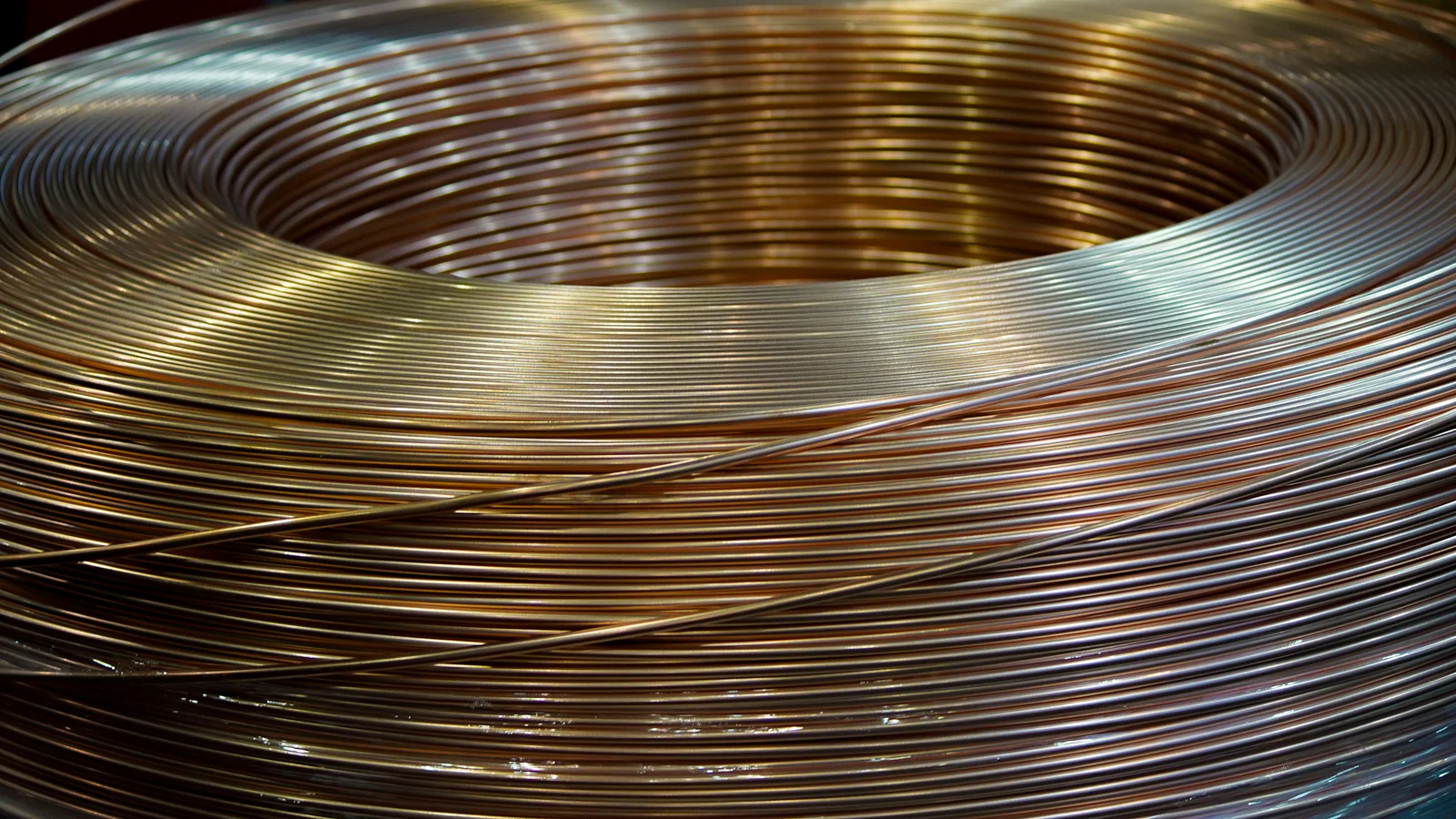
Image: Guille B / Unsplash
Copper connects construction, manufacturing, power networks, transport, and electronics. That breadth makes it economically important and analytically difficult: a long-run electrification scenario can coexist with a short-run slowdown, inventory release, or new supply.
This article separates current evidence from projections. It is educational and does not recommend a commodity, security, or trade.
Source check: 27 July 2026.
Correcting the deficit shorthand
A precise 2026 copper-deficit claim is not defensible without naming the dataset, whether it covers mine or refined metal, the inventory treatment, the geography, the publication date, and the forecast case. Different forecasters can reach different balances from different assumptions.
The IEA’s Global Critical Minerals Outlook 2026 provides a different and explicitly conditional result: in its Stated Policies Scenario, copper records about 7 million tonnes of demand growth to 2040, and expected supply from existing and announced projects in its base case falls about 25% short of 2035 primary supply requirements. The IEA notes that this projected gap narrowed from its prior outlook as projects advanced.
That is a 2035 scenario comparison, not a measured 2026 shortage or a commodity-price forecast.
Keep three ledgers
Current market
Record refined production and consumption estimates, exchange inventories, visible regional stocks, treatment and refining charges, premiums, and a named benchmark price. State whether each observation is daily, monthly, quarterly, or annual.
Project pipeline
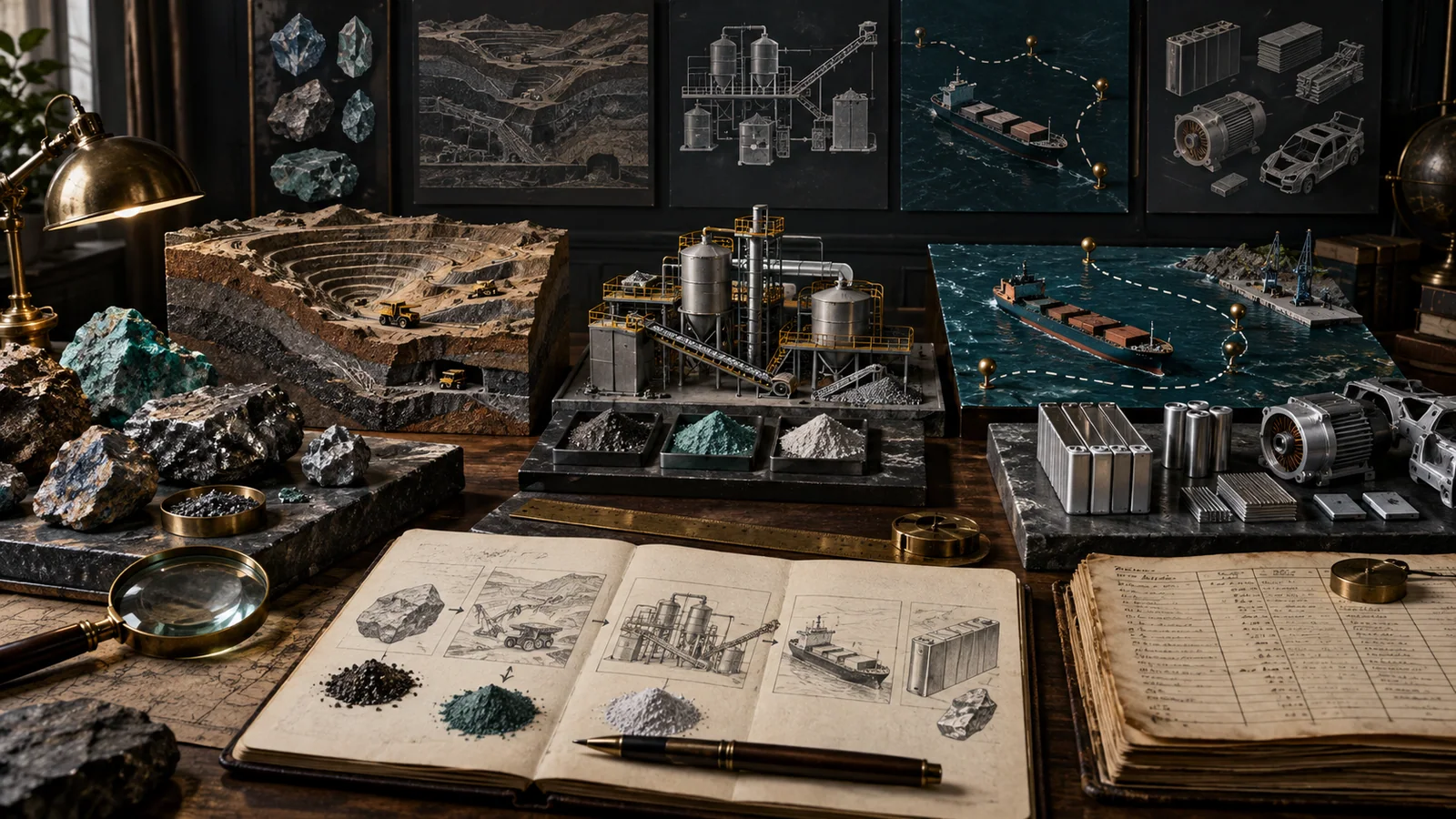
For each mine or expansion, track ownership, resource or reserve basis, grade, recovery, permitting, infrastructure, capital cost, financing, construction status, and expected ramp-up. Announced capacity should be probability-weighted rather than counted as certain supply.
Long-run scenario
State policy and technology assumptions for grids, electric vehicles, data centers, renewables, substitution, material intensity, recycling, and economic growth. Preserve scenario names rather than relabeling them as facts.
Why supply responds slowly
Large mines can require years of study, permitting, financing, construction, and commissioning. Ore grade, water, power, community agreements, taxes, and transport can determine whether a geological resource becomes economic supply. Brownfield expansions and recycling may respond differently from new mines.
Slow response can support tighter scenarios, but it also means a high price does not automatically make a delayed or technically difficult project viable.
Why demand can surprise both ways
Electrification uses copper in networks, motors, transformers, wiring, and power equipment. The amount depends on technology design and the pace of deployment. Construction and manufacturing cycles remain important. Higher prices can encourage thrifting, substitution, scrap collection, or project redesign.
The USGS Mineral Commodity Summaries 2026 provide current estimates for mine production, refined production, use, trade, recycling, and reserves. These are estimates with revisions and should be cited by edition.
From commodity thesis to company evidence
A copper miner is not a copper bar. Check:
- revenue by commodity and geography;
- payable metal, recovery, and by-product credits;
- unit-cost definition and reconciliation;
- sustaining versus growth capital;
- royalties and taxes;
- balance-sheet capacity and dilution;
- operational concentration and jurisdiction.
Company-defined C1 cost or AISC measures may not be comparable across issuers. Use audited financial statements and technical reports alongside them.
A defensible conclusion
The evidence supports monitoring copper as a strategically important material with strong long-run demand in stated policy scenarios and a project pipeline that may not meet modeled 2035 needs. It does not establish a precise 2026 deficit, a certain price path, or a preferred investment.
Primary and authoritative sources
- IEA: Global Critical Minerals Outlook 2026
- IEA: 2026 copper outlook and scenario notes
- USGS: Mineral Commodity Summaries 2026
copperindustrial metalselectrificationcommoditiessupply